HSL’s public transport funding model is on an unsustainable footing — the planned 20-per-cent fare increase will only reduce ridership and trigger a vicious cycle of decline. HSL, the joint municipal authority responsible for public transport in the Helsinki metropolitan area, is planning significant fare increases for buses and trains in the coming years. Increases of as much as 20 per cent for some ticket types by 2028 have been under discussion. For next year alone, a price rise of over six per cent for all travel is being planned. The current trajectory and HSL’s entire funding model are on an unsustainable footing.
The infrastructure compensation agreement is unique in the world.
What is the problem with the infrastructure compensation arrangement?
Prices are being driven up in particular by the infrastructure compensation agreement, under which HSL must compensate municipalities and cities for the costs of infrastructure built for public transport, such as railway and tram tracks. The infrastructure compensation arrangement favours large cities, which use it to pass the costs of urban development onto other municipalities in the HSL area and onto public transport users. In addition, they receive all the benefit from the increase in land value brought by public transport. Nowhere else in the world is urban development financed in this way.
What vicious cycle do fare increases lead to?
The planned fare increases would cause the entire public transport system to spiral into a vicious cycle of decline. Rising ticket prices would lead to a reduction in the use of public transport, which in turn would increase pressure to raise prices further. Sensible municipal and urban development and the achievement of climate targets require increasing the volume of public transport, not reducing it.
With the measures currently under discussion, our public transport system is heading towards collapse. Dismantling the infrastructure compensation system is essential to securing the future of public transport in the HSL area.
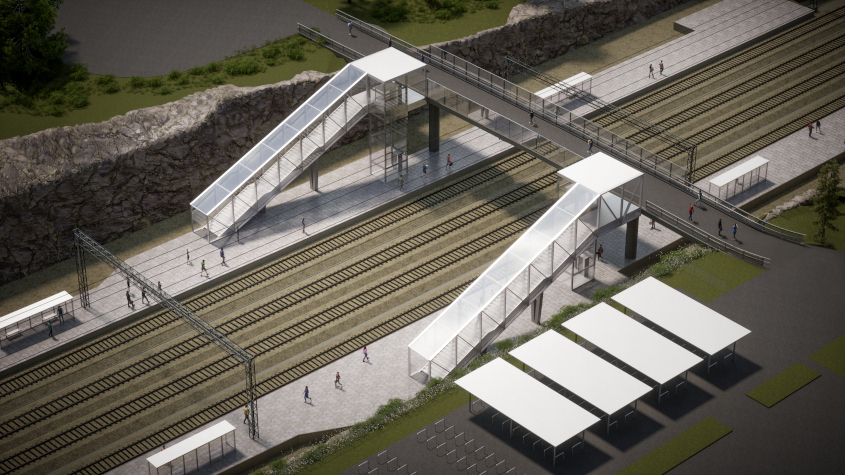
Public transport is also why I voted for Kirkkonummi joining the Western Rail Link — a commuter rail station in Northern Kirkkonummi would have provided a sustainable alternative to car ownership. The council’s decision to withdraw from the project has since caused significant disappointment, which I discuss in The West Railway revealed problems in Kirkkonummi’s governance. Read more in the transport category.
Authors: Ronja Karkinen and Lauri Lavanti.
Also published in: Kirkkonummen Sanomat, 20 August 2025.
Also published in: Kirkkonummi Greens, 21 August 2025.
Other posts
-
New year, familiar poor winter maintenance in Kirkkonummi
Kirkkonummi's winter maintenance has again proved as poor as in previous years. It does not have to be this way — we can choose to demand quality.
-
Things were better before
That is, for light traffic — pedestrians and cyclists. What if we stopped building society on the terms of private car use?
-
The West Railway revealed problems in Kirkkonummi's governance
The West Railway decision revealed shortcomings in Kirkkonummi's strategic planning. The municipality risks bearing the costs without the benefits.
-
I voted for the Western Rail Link
I voted for Kirkkonummi to join the Western Rail Link. The decision determines whether Northern Kirkkonummi gets a commuter rail station.