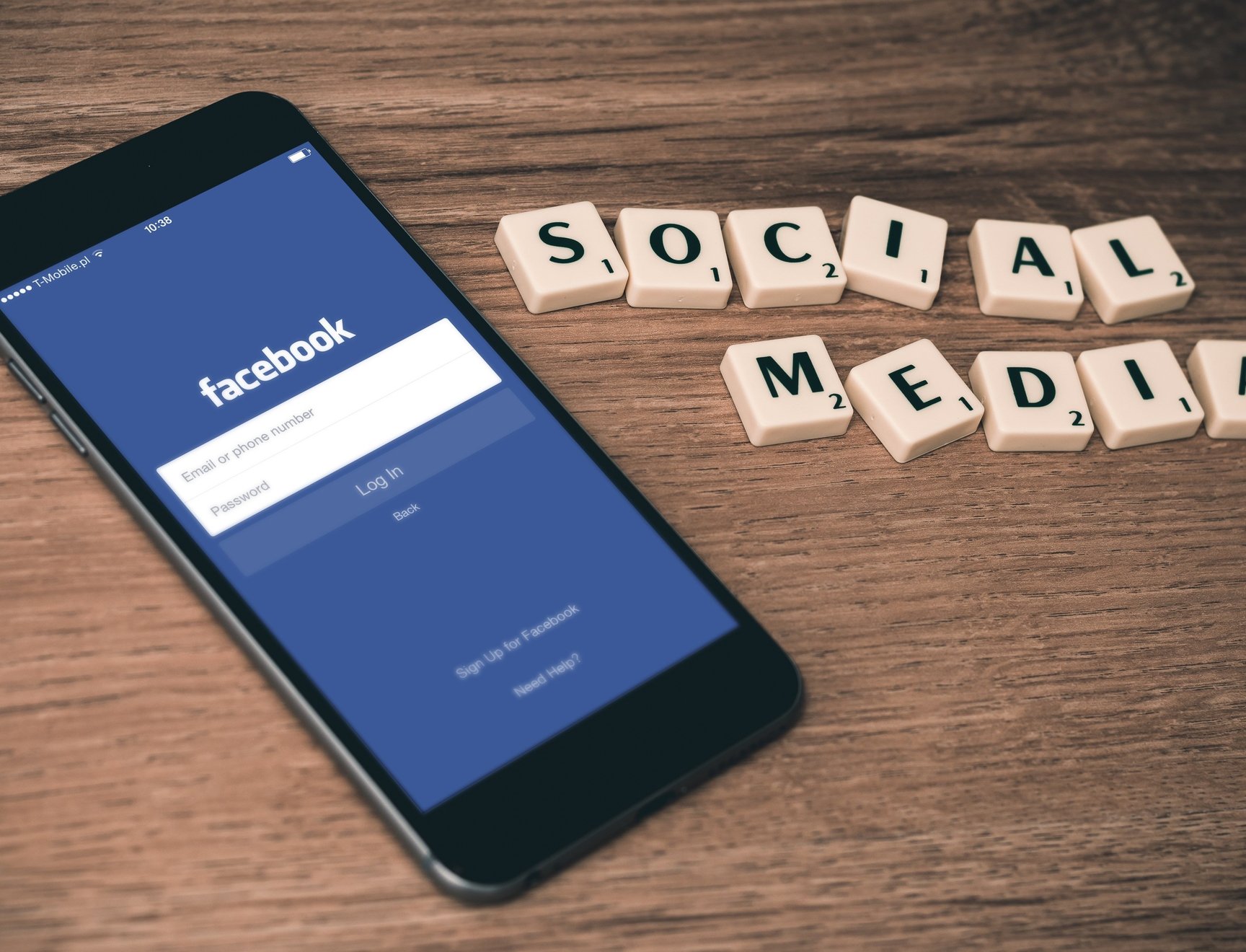
Social media algorithms are steering our public discourse — and we have no guarantees that they are not being used deliberately to influence it. Do you follow the news via social media? Many people do, and social media is increasingly influencing what we talk about. Often the news itself reports on what someone did or said on Instagram or X, the former Twitter. From time to time, the latest TikTok trend also causes alarm. Then information is searched on Google, and news is commented on Facebook.
How does social media guide public debate?
A significant portion of all public and political discussion has now shifted into the sphere of influence of foreign social media giants.
Meta, which owns Facebook and Instagram among others, has announced it is stopping political, civic and election-related advertising on its platforms in the European Union. Previously, Google also made the same announcement. The companies justify their decision by citing the EU regulation on the transparency and targeting of political advertising entering into force in October.
In practice, however, the list of requirements is quite straightforward. Under the regulation, an advertisement must state who paid for it, which election or other procedure it relates to, whether the advertisement is targeted and if so, on what basis. None of these is an insurmountable requirement. For example, political advertisements on Facebook have already contained almost all the information required — it just has not been shown to users.
Meta and Google are stopping political advertising in the EU area.
Which direction are the platforms heading?
Alongside the end of political advertising, it is worth discussing the broader development of social media. Beyond Twitter’s name change, the platform has effectively ended all content moderation. At the start of the year, Meta announced it was ending content fact-checking in the United States following political pressure.
Although buying visibility with money has not been unproblematic for the functioning of democracy and popular sovereignty, the current direction is unsustainable. For now it is the case that whoever controls the social media algorithms controls political and public discussion. And we have no guarantees that algorithms would not be used deliberately.
It is already visible how algorithms influence political activity. An increasing number of MPs have risen to prominence with the assistance of social media — that is, algorithms. Social media also continuously surfaces ever more radical opinions and proposals, which then even make it into the mainstream media and into public consciousness.
Until now, open democracies like Finland have been built on the premise that we are capable of long-term cooperation regardless of political orientation. That we listen to each other and discuss matters, even when they are not easy or straightforward.
Are we prepared for our public discourse to be steered by foreign large corporations?
Updated 25 June 2026. My position has not changed.
AI makes this development even more complex — I have written about the limits of AI in public services and about what AI’s breakthrough means for our private lives in 2026. One concrete answer to our dependence on foreign platforms is digital independence. See also my other writing on technology and society.
Also published in: Helsingin Sanomat, 5 October 2025.
Other posts
-
Chat control: parliament was right
The European Parliament rejected the extension of the chat control law. The police statistics are real, but parliament was still right — here is why.
-
The use of biometric identifiers in passports must not be expanded
When fingerprints were added to passports, Finland created a national biometric register. Now the government wants to open it to police use.
-
Fundamental rights must not be dismantled without justification
The government plans to extend intelligence methods to fight crime without individual suspicion — a serious threat to fundamental rights.
-
The flag is up. What does Kirkkonummi do next?
Kirkkonummi raised the Pride flag for the first time on 22 June 2026. The flag matters, but equality also demands concrete action in the autumn budget.