Now that the Juhlakallio local detailed plan has been approved, and the Tolsanmäki and Tolsanjärvi plans are forthcoming, it is extremely important that the municipality also pays attention to the number of day care places and schools in the area.
Why do new zoning areas demand more services?
Traditionally, large numbers of families with children have moved to Kirkkonummi’s new zoning areas — for example, over 50 per cent of households in Sundsberg were families with children in 2015. Already today, approximately 300 children of kindergarten age and around 500 of school age live in the Heikkilä, Jolkby and Laajakallio areas. Juhlakallio, Tolsanmäki and Tolsanjärvi are projected to attract a combined total of nearly 2,000 new residents. Population forecasts commissioned to support municipal decision-making (January 2021) estimate that by 2030 the number of children under 7 in these areas will be 10–30% higher than today. However, if the demographic structure of these areas were similar to Sundsberg’s, this could mean as many as approximately 200 new children of kindergarten age and around 300 new school-age children.
How many children are moving into the new planning areas?
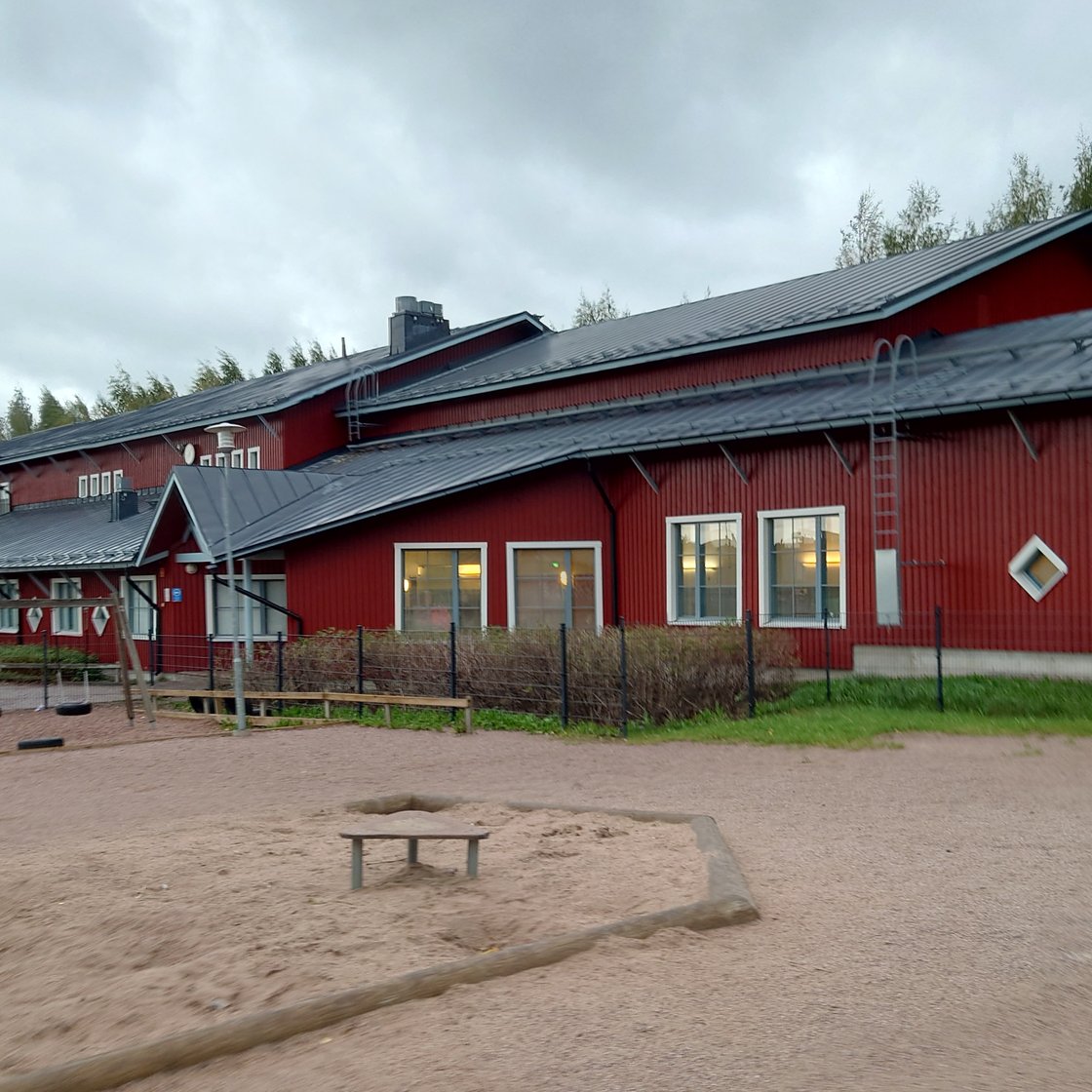
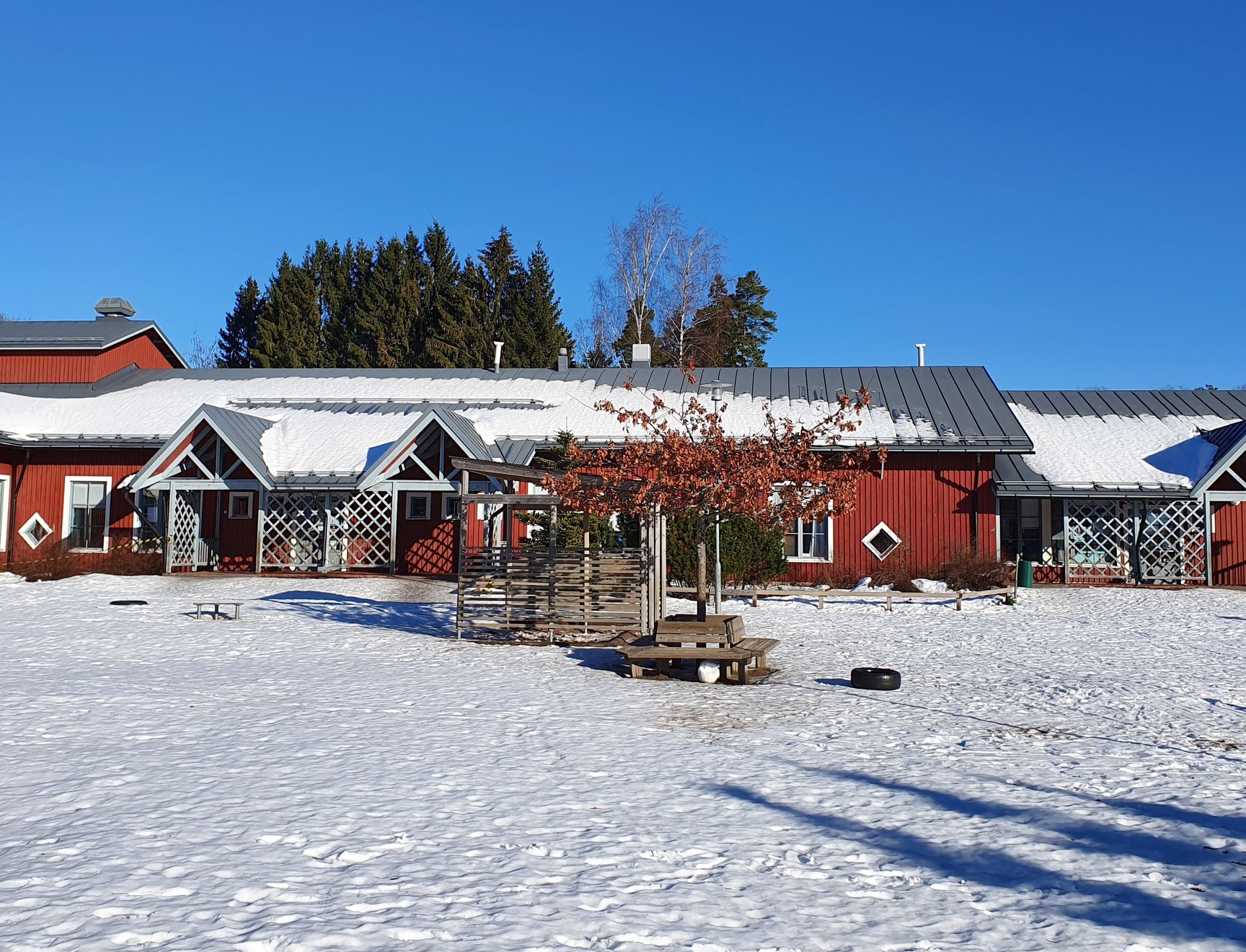
At present, there are three kindergartens in the planned zoning areas: Laajakallio municipal kindergarten and the private Touhula Laajakallio and Murut Solstugan. The area also has Heikkilä School and Laajakallio School. The Jokirinne Learning Centre is also near the area, but since over half of Kirkkonummi residents traditionally commute in the opposite direction, it is not a sensible option, especially for children of kindergarten age. Even if the current kindergartens and schools were sufficient for current residents — which they are not — both kindergarten places and school capacity will increase significantly in the coming years.
What does this mean in practice?
As a personal example, I can share our experience of applying for a day care place for our eldest child in the area last summer. We had expected, as others moving to the area presumably also assume, that a child would get a place in the local kindergarten, but after months of waiting we were only offered places in more distant kindergartens. Of course, you can always drive a child anywhere, but that means you need a car and that taking and collecting the child takes extra time and money. Some siblings of children living in Laajakallio have also not been able to get places in the same local kindergarten.
Kirkkonummi is often described as an excellent place to live for families with children, and property listings also advertise nearby services such as schools and kindergartens. Yet at the moment, these services seem to be largely theoretical, at least in the area between the Centre and Masala.
Let’s keep Kirkkonummi a family-friendly municipality and ensure the adequacy of early childhood education!
Updated 25 June 2026. The Jokirinne Learning Centre has been completed and some of the development plan areas mentioned below have been built. However, the situation has not improved significantly. Part of the reason is the municipality’s strategic goal of maintaining a very high occupancy rate for its day care facilities, which leaves little buffer whenever demand grows. The underlying problem described in this post therefore remains current.
I have written more about early childhood education: about the home care allowance supplement, about club activities, about the shortage of kindergarten teachers and about why education is the municipality’s most important task. Read more in my posts on early childhood education.
Also published in: Kirkkonummen Sanomat, 28 February 2021.
Other posts
-
Local nature must be cherished
Not every forest needs to be felled. Local nature that is in active use in particular must be preserved, and it is an important part of our municipality.
-
A cold harvest for Kirkkonummi — a weak budget
The government's mid-term session cut state subsidies and corporate tax. This significantly narrows the room for manoeuvre for local councils.
-
Education is the municipality's most important task
Education is the municipality's most important task. Investment in education pays off far into the future — there are no quick wins.
-
Cutting early childhood education funding does not pay
The government plans to cut funding for early childhood education planning. In practice the costs will simply be transferred to municipalities.